For many parents in Gresham and East Portland, watching a child struggle to read can be a heart-wrenching experience. You see the frustration in their eyes when they hit a word they don't know. You hear the "guessing" based on the picture rather than the letters on the page. In these moments, you might find yourself wondering: Is this just a phase, or is there a better way to teach them?
The truth is, how your child is taught to read is the single most important factor in their literacy success. For decades, a debate has simmered between two primary methods: Phonics and Whole Language. While schools have fluctuated between the two, the "Science of Reading" has provided a clear answer. For a child to become a confident, independent reader, they need a structured, explicit foundation in phonics.
At North Star Tutoring, LLC, we believe that every child deserves to move from striving to thriving. Guided by Debbie Sexton, M.Ed., we specialize in the evidence-based strategies that bridge the gap between confusion and clarity.
Table of Contents
- Key Takeaways
- The Science of Reading: Why Phonics is the Foundation
- The Whole Language Approach: Why "Guessing" Isn't Reading
- Structured Literacy in Action: The North Star Method
- Meet Your Guide: Expert Reading Support in Gresham
- Frequently Asked Questions
- Take the Next Step in Your Child’s Journey
Key Takeaways
- Phonics-based instruction is the gold standard for teaching children how to decode and encode words systematically.
- Whole Language often relies on context clues and guessing, which can fail students with dyslexia or decoding difficulties.
- Structured Literacy (including Orton-Gillingham, LETRS, and UFLI) provides the explicit, multisensory tools necessary for K-5 reading success.
- Professional Intervention from a qualified K-5 reading tutor specializing in phonics can transform a struggling reader's trajectory.
The Science of Reading: Why Phonics is the Foundation
Reading is not a natural process like speaking; it is a code that must be cracked. The Science of Reading is a vast body of research that explains how the human brain learns to process written language. At the heart of this research is the necessity of systematic phonics.
A decoding and encoding reading tutor in Gresham focuses on teaching the relationship between sounds (phonemes) and the letters that represent them (graphemes). When a child learns to decode, they are learning to "sound out" words accurately. When they learn to encode, they are learning how to spell those sounds to create written words.
For K-5 students, this structured approach ensures that no stone is left unturned. We don't wait for a child to "pick it up" through exposure. Instead, we provide direct and explicit instruction in the rules of the English language. This is why our LETRS-trained reading specialists are so effective: they understand the neurological pathways required for literacy and how to build them one brick at a time.

The Whole Language Approach: Why "Guessing" Isn't Reading
In contrast to phonics, the "Whole Language" or "Balanced Literacy" approach often suggests that children will learn to read naturally if they are surrounded by high-quality literature. While loving books is essential, this method frequently teaches children to use "cueing" systems: like looking at the picture or the first letter and guessing the word.
For a reading tutor for children with decoding difficulties, we see the fallout of this approach every day. Students who rely on guessing often hit a "third-grade wall." As books become more complex and pictures disappear, their strategy fails.
This is particularly challenging for students with dyslexia. For these learners, the Whole Language approach can feel like trying to solve a puzzle with missing pieces. Without explicit instruction in how to map sounds to letters, reading remains a source of anxiety rather than a source of joy.
Structured Literacy in Action: The North Star Method
At North Star Tutoring, LLC, we utilize Structured Literacy, which is the practical application of the Science of Reading. Our sessions are not just about finishing a worksheet; they are about a shared journey toward mastery.
We incorporate:
- Orton-Gillingham Principles: A multisensory, hands-on approach that engages the visual, auditory, and kinesthetic pathways.
- UFLI Foundations: A systematic program that ensures children build a rock-solid foundation in word recognition.
- Direct & Explicit Instruction: We tell the student exactly what they are learning and why, providing immediate feedback and coaching.
Whether your child is a local Gresham preschooler just starting out or an older student in East Portland working with complex texts, our personalized literacy tutoring is tailored to their specific needs.

Meet Your Guide: Expert Reading Support in Gresham
When you choose a tutor, you are choosing a partner for your child's education. At North Star Tutoring, LLC, that partner is Debbie Sexton, M.Ed.
With over 25 years of experience in literacy education, Debbie brings a unique blend of clinical authority and empathetic warmth to every session. Her credentials include:
- Master’s Degree in Reading Education
- LETRS Trained (Language Essentials for Teachers of Reading and Spelling)
- UFLI Qualified (University of Florida Literacy Institute)
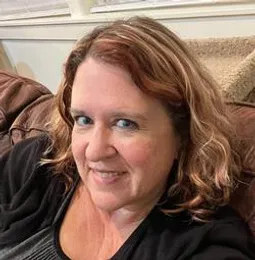
Debbie’s expertise allows her to act as a "North Star" for families, navigating the complexities of dyslexia intervention and academic challenges with patience and kindness. She doesn't just teach reading; she builds the confidence that allows students to believe in themselves again.
FAQ
Q: My child’s school uses "Balanced Literacy." Is that the same as phonics?
A: Not quite. Balanced Literacy often includes some phonics but frequently relies on the "three-cueing" system (guessing from context). Structured Literacy, which we use, focuses on explicit, systematic phonics as the primary path to reading.
Q: How do I know if my child has decoding difficulties?
A: Common signs include skipping small words, guessing based on the first letter, struggling to blend sounds together, or extreme frustration during reading time. A specialized phonics tutor can provide a diagnostic assessment to identify these gaps.
Q: Is it too late for my middle schooler to improve their reading?
A: It is never too late. While early intervention (K-3) is ideal, the principles of decoding and encoding apply to complex multisyllabic words used in higher grades. We help older students master the "code" of advanced English.
Take the Next Step in Your Child’s Journey
If you are in Gresham, East Portland, or anywhere in Oregon looking for online support, let us help your child find their way. Reading shouldn't be a struggle: it should be a gateway to a world of possibilities.
Experience the peace of mind that comes from evidence-based instruction and expert care. Let’s turn those moments of frustration into milestones of success.
Ready to see your child thrive?
Contact Rachel today to book your free consultation.
Call: +1 503-809-4120
Visit: northstartutoring.info
